
FAQs
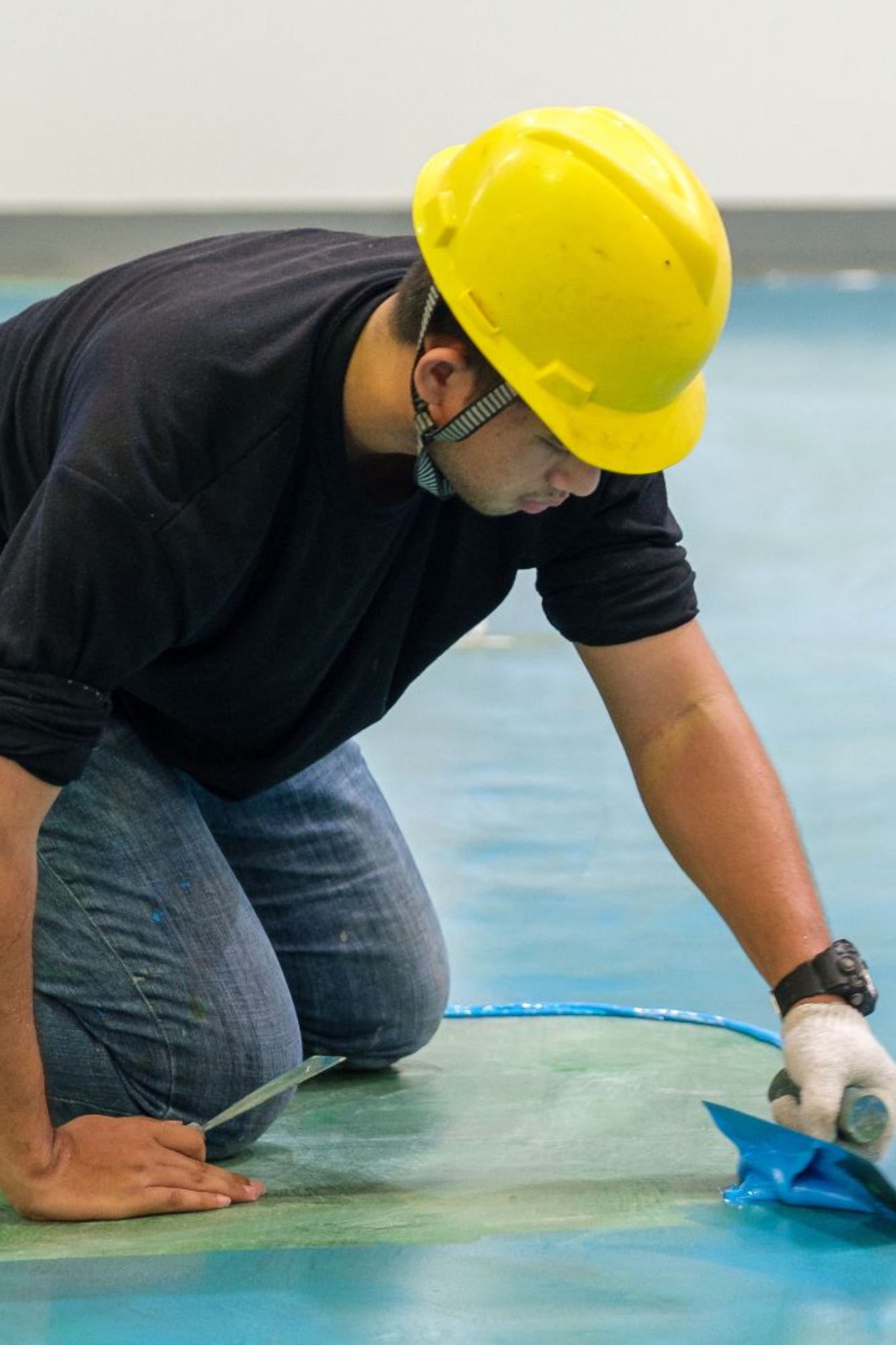
What exactly is epoxy flooring and how does it work?
Epoxy flooring is a seamless, durable surface made by applying multiple layers of epoxy resin over a prepared concrete base. When the resin and hardener combine, a strong chemical bond forms, creating a high-performance, long-lasting finish ideal for residential, commercial, and industrial use.
How long does epoxy flooring last in commercial or industrial environments?
With proper installation and maintenance, epoxy flooring typically lasts 10 to 20 years in heavy-use environments. Industrial-grade systems can last even longer, depending on traffic, chemical exposure, and cleaning practices.
Is epoxy flooring slippery when wet?
Epoxy floors can be made non-slip by adding texture or anti-slip aggregates during installation. This makes them safe for wet or high-traffic areas such as kitchens, workshops, or warehouses.
What surfaces can epoxy be applied to besides concrete?
While concrete is the most common base, epoxy can also be applied to timber, tiles, or existing coatings, provided the surface is clean, stable, and properly prepared.
How thick should an epoxy floor be for heavy-duty areas?
For industrial or heavy-traffic environments, epoxy floors are usually 2mm to 5mm thick. Thicker systems (up to 6mm+) are used for warehouses, factories, and loading zones requiring maximum durability.
Can epoxy flooring be installed over old or damaged concrete?
Yes — minor damage can be repaired and resurfaced before epoxy application. However, severely cracked or contaminated concrete may require grinding, patching, or resurfacing to ensure proper adhesion.
What are the main benefits of epoxy flooring compared to tiles or concrete sealers?
Epoxy offers superior durability, chemical resistance, and a seamless finish compared to tiles or sealers. It’s easier to clean, more resistant to wear, and delivers a polished, professional appearance.
How long does epoxy flooring take to cure completely?
Epoxy floors typically cure within 48–72 hours, depending on temperature, humidity, and system type. Light foot traffic is usually possible after 24 hours.
Is epoxy flooring safe and non-toxic once installed?
Yes. Once fully cured, epoxy flooring is non-toxic, low in VOCs, and safe for people, pets, and the environment. It’s widely used in food, healthcare, and pharmaceutical industries for this reason.
Can I get custom colours, patterns, or logos embedded in epoxy floors?
Absolutely. Epoxy systems can be customised with colours, flakes, metallic finishes, and embedded graphics or logos, creating a unique and professional look for your space.
What causes epoxy peeling or bubbling, and how is it prevented?
Peeling or bubbling often results from poor surface preparation or trapped moisture. Professional installers use moisture testing, grinding, and priming to ensure a strong, lasting bond.
How do you clean and maintain epoxy floors for longevity?
Epoxy floors are easy to maintain. Regular sweeping and mopping with mild detergent keeps them in top condition. Avoid abrasive cleaners or strong acids that can dull the finish.
Are epoxy floors resistant to chemicals, oils, and acids?
Yes. Industrial-grade epoxy is highly resistant to oils, solvents, acids, and chemicals, making it ideal for manufacturing, automotive, and food processing environments.
What’s the difference between epoxy and polyurethane (PU) flooring?
Epoxy is harder and more impact-resistant, while PU flooring is more flexible and UV-resistant. PU is often preferred in food or thermal-shock environments, while epoxy excels in heavy-duty and high-traffic areas.
Is epoxy flooring suitable for outdoor or UV-exposed areas?
Standard epoxy may yellow or fade under UV exposure, but UV-stable topcoats or polyurethane finishes can be added for outdoor or sunlight-exposed areas.
How resistant is epoxy flooring to heat and mechanical abrasion?
Epoxy floors can withstand temperatures up to 65–80°C and are highly resistant to mechanical abrasion from forklifts, machinery, and foot traffic.
What’s the cost per square metre for epoxy installation in commercial or industrial settings?
Pricing varies based on system type and condition of the surface, but generally ranges from $40 to $120 per square metre for commercial and industrial epoxy flooring in Melbourne.
How soon can people walk or drive on a newly installed epoxy floor?
Light foot traffic is usually allowed after 24 hours, while heavy traffic or vehicles should wait 48–72 hours to ensure full curing and surface hardness.
Can damaged epoxy flooring be repaired or recoated?
Yes. Most epoxy floors can be patched, sanded, or recoated to restore appearance and durability, extending the life of the floor without full replacement.
What’s the best epoxy system for specific industries such as food processing, healthcare, or warehousing?
Food Processing: PU cement or antimicrobial epoxy systems. Healthcare: Seamless, chemical-resistant epoxy with anti-microbial additives. Warehousing: High-build epoxy with non-slip and abrasion-resistant finishes.